Technology
How Satellite Phones Work: From Your Hand to 35,786 km and Back
How Thuraya satellite phones connect: geostationary satellites, spot beams, L-band frequencies and why you need a view of the sky.
Key takeaways
- Thuraya satellites sit in geostationary orbit about 35,786 km above the equator.
- Each satellite forms hundreds of spot beams, so handsets can be as small as mobile phones.
- Your phone needs a clear view of the sky toward the satellite.
- Calls travel phone → satellite → ground station → the person you are calling.
A satellite that stays in one place
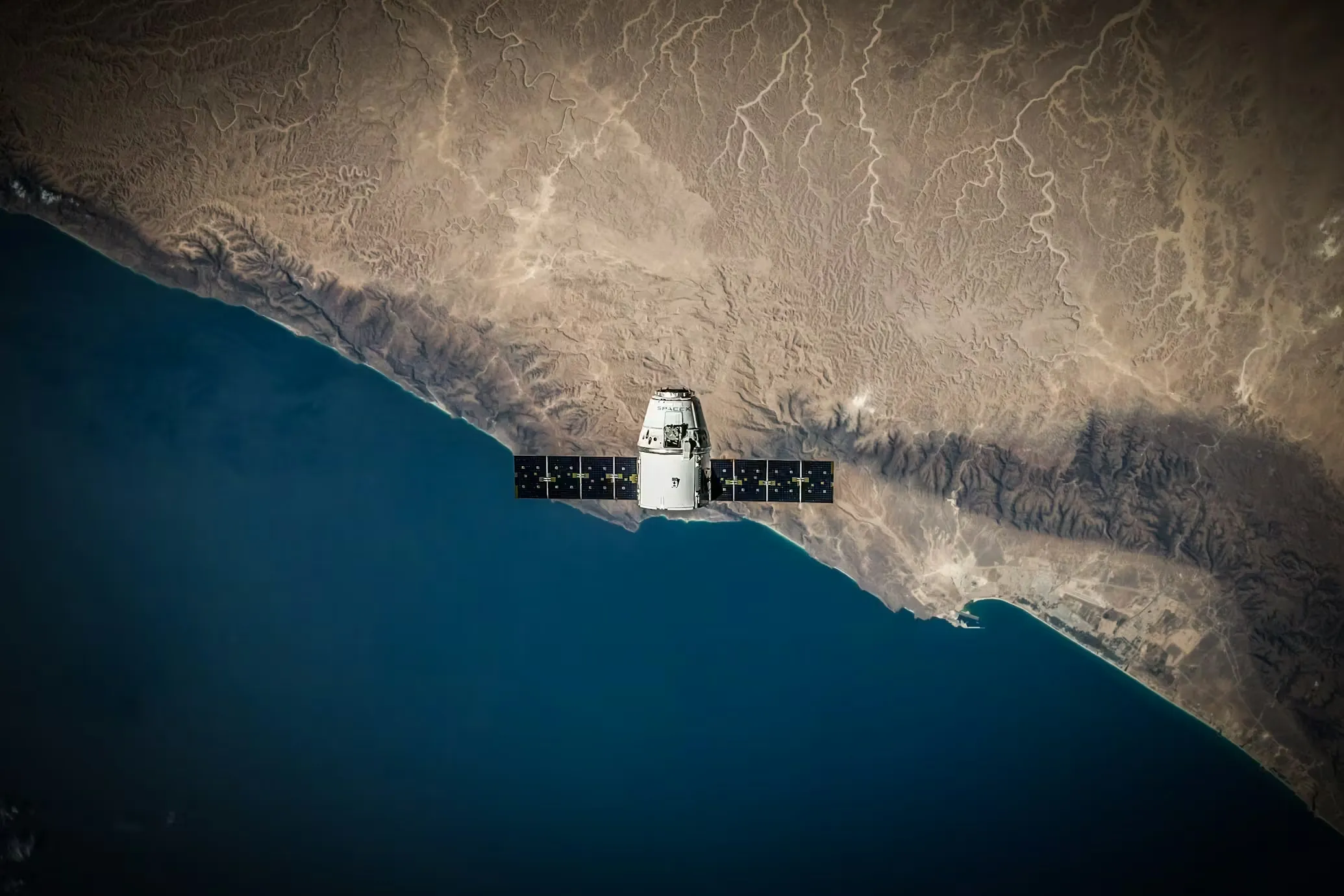
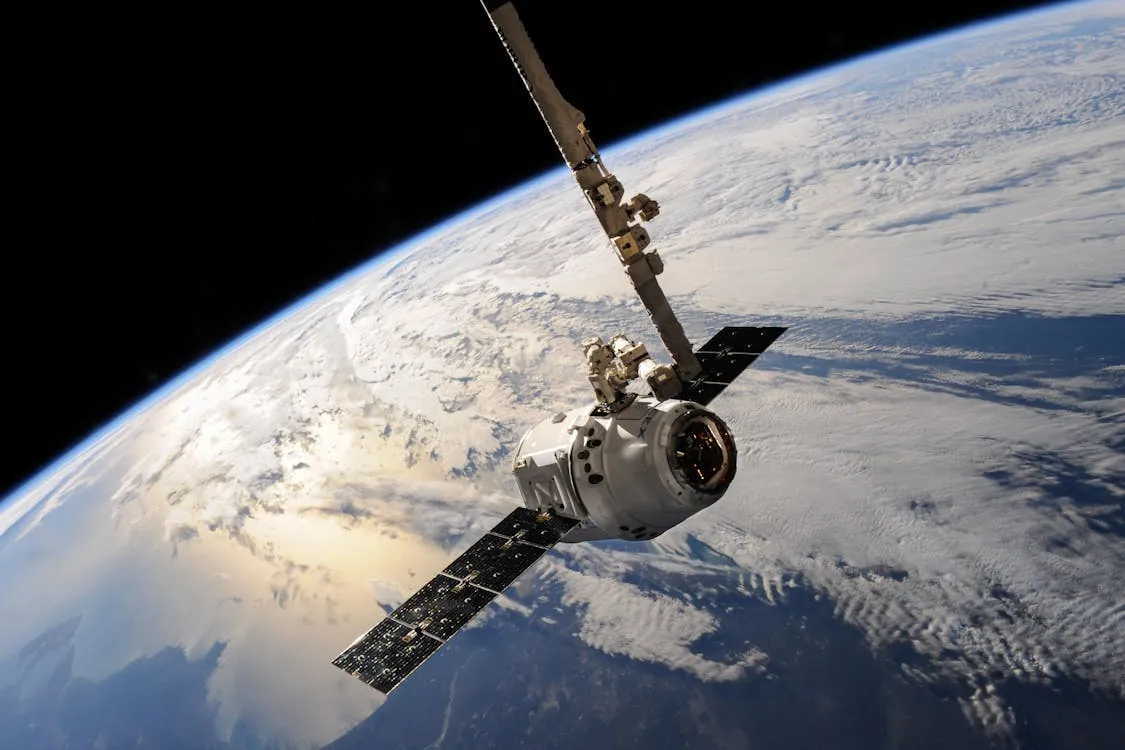
Thuraya uses geostationary satellites. At about 35,786 km above the equator, a satellite circles the Earth once a day, matching the planet’s rotation. From the ground, it appears fixed in the sky.
That is why a Thuraya phone does not need to track a moving satellite. Point the antenna toward the satellite’s part of the sky and it connects. From Pakistan, Thuraya’s satellite at 44° East sits toward the south-west.
Spot beams make small phones possible
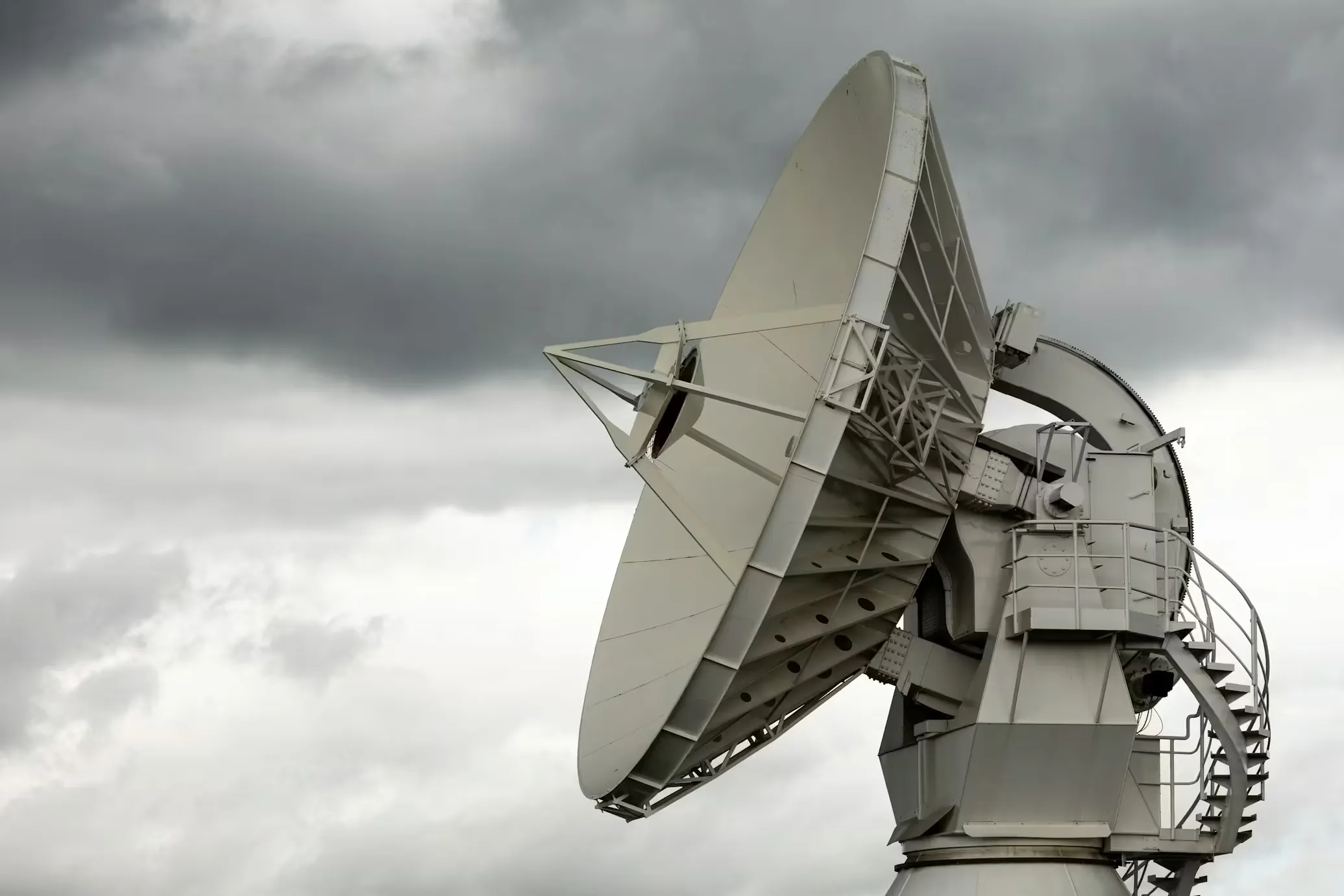
Older satellite systems needed large antennas. Thuraya’s satellites use a large reflector and digital beamforming to create between 250 and 300 spot beams. Each beam focuses power on a small area, so a handset-sized antenna is enough.
The beams can be reshaped in orbit to add capacity where demand is high. Thuraya’s original design supported around 13,750 simultaneous telephone channels.
The frequencies involved
| Link | Direction | Frequency |
|---|---|---|
| Mobile link | Earth to space | 1626.5–1660.5 MHz |
| Mobile link | Space to Earth | 1525.0–1559.0 MHz |
| Feeder link | Earth to space | 6425.0–6725.0 MHz |
| Feeder link | Space to Earth | 3400.0–3625.0 MHz |
Handsets talk to the satellite in L-band, which passes well through rain and light foliage. Ground stations use C-band feeder links to connect calls to terrestrial networks.
What happens during a call
- Your phone sends its signal up to the satellite.
- The satellite routes the call. Thuraya-to-Thuraya calls can be connected in a single hop.
- Calls to other networks go down to a ground station and into the public telephone network.
- The reply follows the same route back to you.
Because the signal travels so far, you may notice a short delay. It is normal for geostationary systems.
Why you need a view of the sky
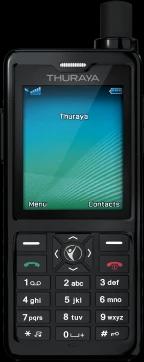
Buildings, deep valleys and dense tree cover block the signal. Step outside, extend the antenna and face south-west for the best connection in Pakistan.
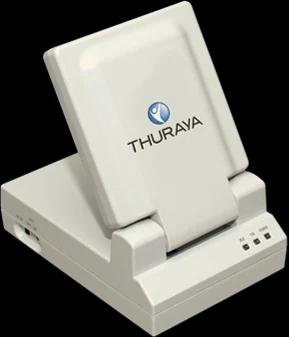
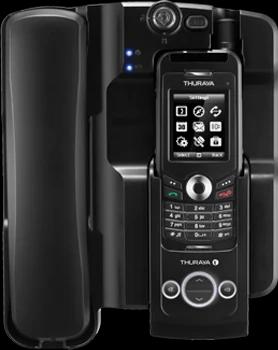
Need satellite indoors? Use a docking unit with an outdoor antenna, or an indoor repeater.
Frequently asked questions
Do satellite phones work indoors?
Not reliably. They need a view of the sky. Use a docking unit, an indoor repeater or GSM roaming indoors.
Do satellite phones work in rain?
Yes. L-band signals are only lightly affected by rain, though heavy obstruction overhead will weaken the signal.